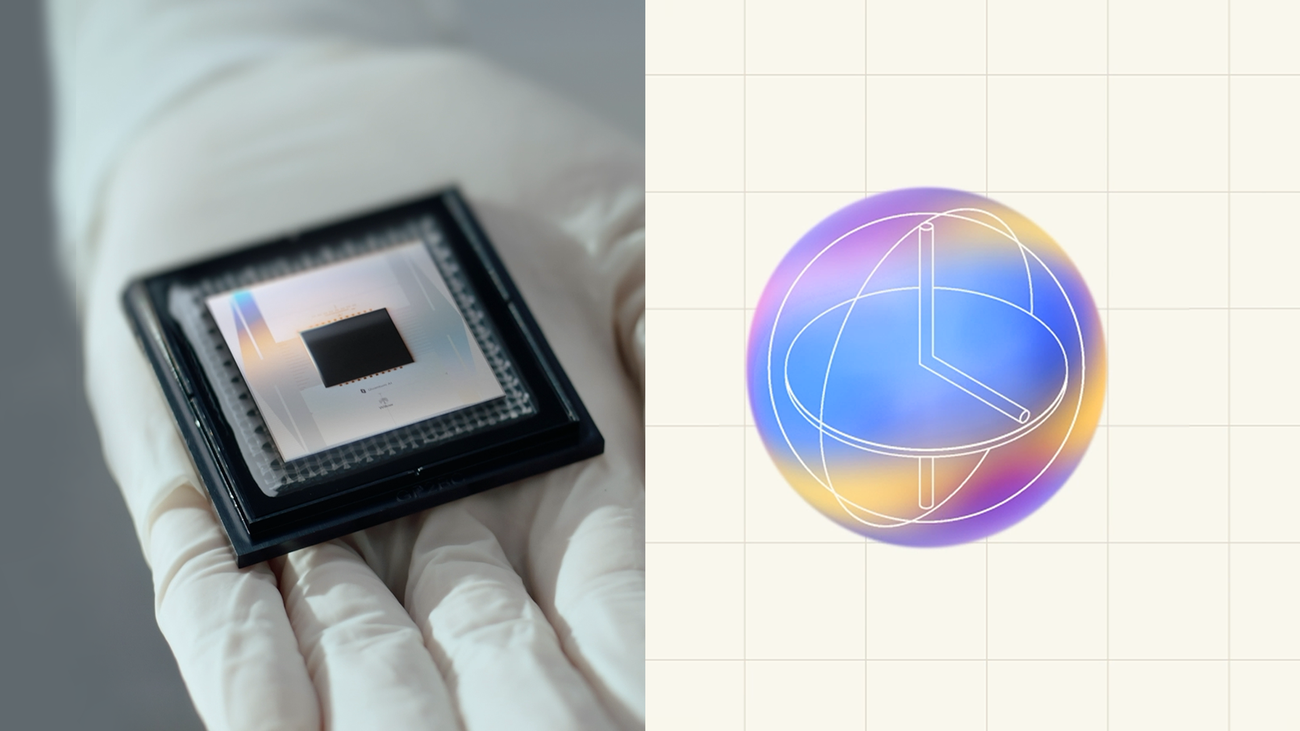
Google Quantum AI says it has demonstrated that a technique called "magic state cultivation" works in practice on its Willow quantum processor, reducing errors by about 40x compared with running without it. The company published the result in the journal Science, calling it a crucial step toward scaling quantum computers to practical use.
The work targets a bottleneck researchers have discussed since 2004. Universal quantum computing requires a particular set of operations, and producing the "magic states" behind them has long been extremely resource-heavy. Google says the new result shows that cost can be brought down on real hardware, not just in theory.
Magic state cultivation, explained
Magic states are special quantum resources that let a machine run the operations needed to go beyond classical computing. The catch is that creating high-quality, error-corrected magic states is enormously expensive: some estimates suggest up to 95% of a quantum computer's total capacity could be spent making them, leaving little left for actual computation.
The problem is compounded because a magic state cannot be reused once it is consumed, making it a scarce resource. According to Google, researchers have spent two decades lowering that cost, and this paper is the latest step in that effort.
- Magic state cultivation works in practice on the Willow processor, per Google Quantum AI.
- Errors fall by roughly 40x compared with operating without the technique.
- The result was published in Science.
- Google describes it as a step toward scaling quantum computing to practical use.