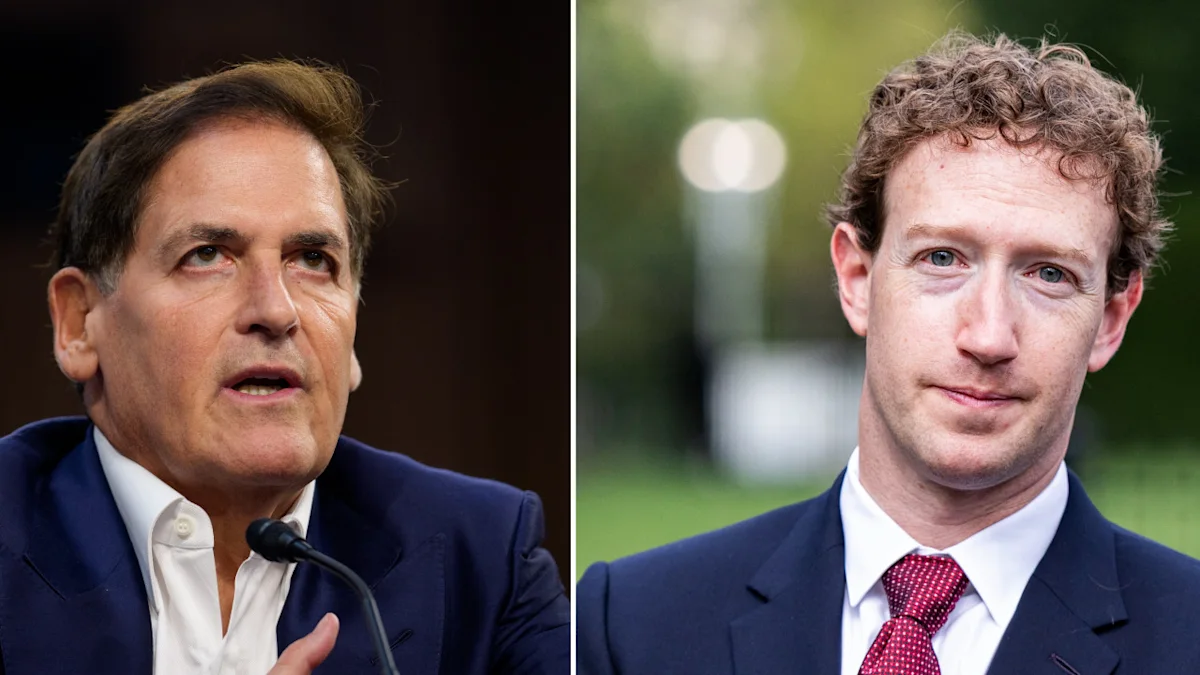
Mark Cuban says Facebook knowingly runs AI deepfake scam ads, including fake advertisements that use his face and voice to sell a diabetes cure he has never sold. Speaking on the Pivot podcast hosted by Kara Swisher and Scott Galloway, the billionaire investor said he receives weekly emails from older people asking about the $294 cure they believe they bought from him.
The claim lands at the center of a wider debate about big-tech accountability. According to Reuters, internal Meta documents from November 2025 show the company expected roughly $16 billion, about 10% of its 2024 revenue, to come from ads pushing scams and prohibited products.
What Cuban says about Facebook and AI deepfakes
Cuban described the ads as deepfakes built with an AI copy of his face and voice, and argued that Meta (NASDAQ: META) runs them anyway. "Facebook knows the little old ladies are getting ripped off," he said, calling the platform "the worst of the worst."
He also said some ads carry a disclaimer admitting the person on screen is AI-generated and that the clip is entertainment. In his view, that label comes too late: the pitch has already worked. "And to Facebook, that's good enough," he said, adding that this tolerance defines the culture of the organization.
Cuban is not a neutral voice here. He co-founded Cost Plus Drugs, an online pharmacy selling low-cost generic medications, so his criticism of fake medicine ads overlaps with his own business interests.
Meta fraud revenue: what the internal documents show
The numbers reported by Reuters come from Meta's own internal documents. They suggest the company expected about $16 billion, roughly a tenth of its 2024 revenue, to flow in from advertisements for scams and banned products.
By Meta's own count, users across its apps were seeing some 15 billion "higher risk" ads a day, meaning ads with obvious signs of fraud. One late 2024 document put the value of that category at about $7 billion a year.