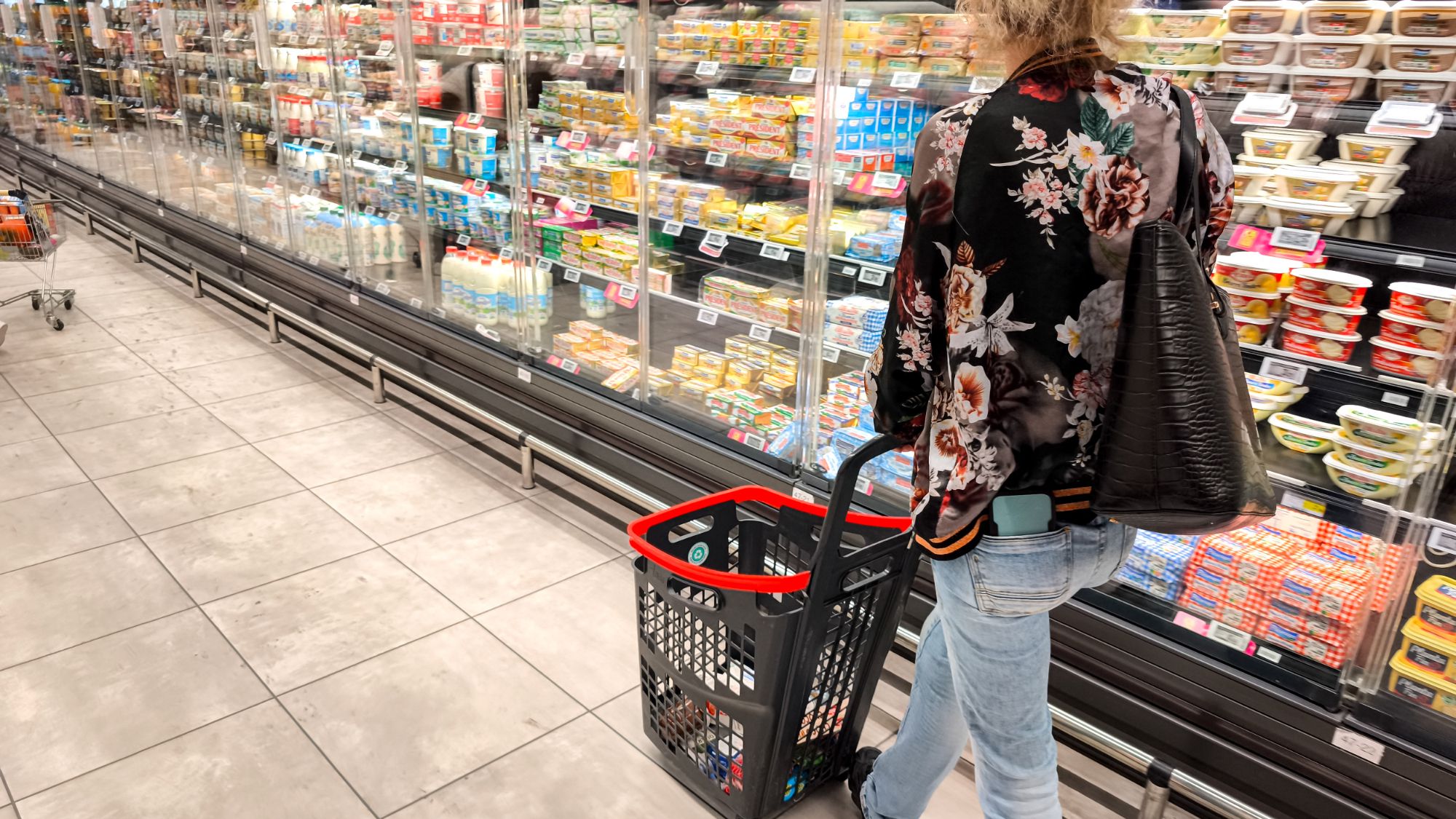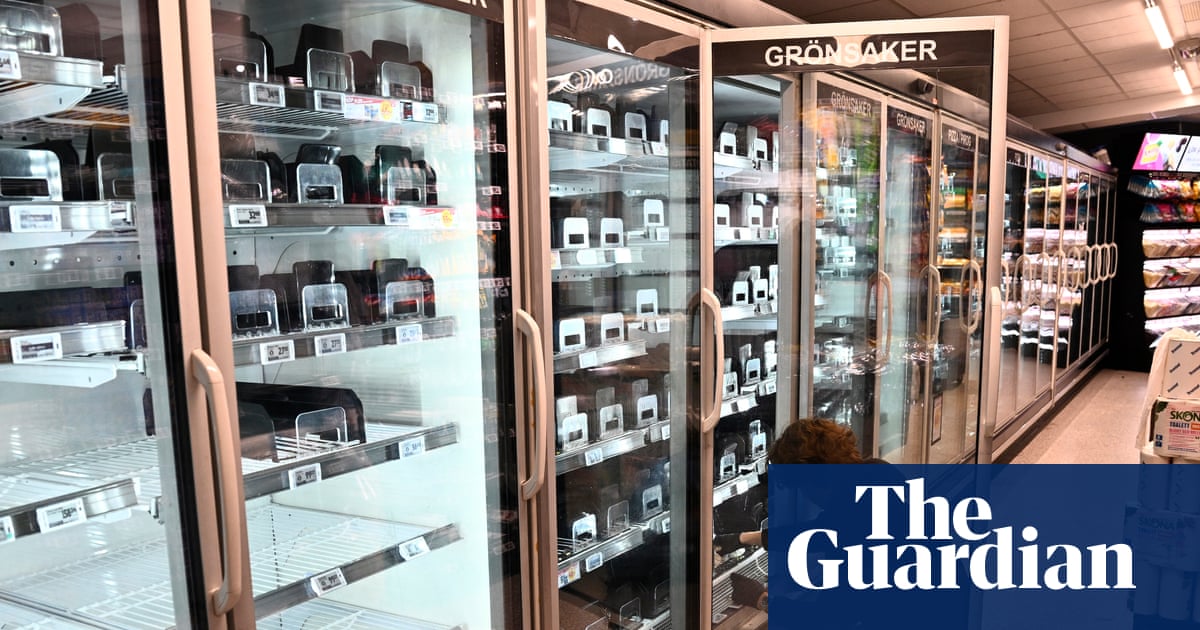
Dozens of supermarkets in at least seven European countries have suffered a suspected cyber-attack on their refrigerators and freezers, the second such incident in a month. Freezer temperatures reportedly rose as high as 50C overnight at stores in Belgium, Luxembourg, Sweden, Ireland, the Netherlands, Estonia and Finland, spoiling food and forcing closures.
Sabcobel, the Belgian company that makes some of the affected refrigeration units and operates Delhaize's systems, confirmed the incident was a cyber-attack. CEO Stephan Moelans told Belga news agency the company had worked "all night and morning to disconnect the affected units from the network".
How the freezer hack worked
According to Sabcobel, the attackers switched the units' evaporators into defrost mode, causing temperatures to climb. Reuters reported the same method was used in last month's attack, which hit hundreds of French supermarkets and led to millions of euros of food being thrown away.
Sabcobel said it had been working since the French incident to protect customers' fridges from the vulnerability, but the units needed physical modifications, not just software updates. The company added that the simplest fix is to manage fridges over a secure internet connection, a step most of its customers took after the October attack.
Which stores and countries were affected
Around 40 Delhaize supermarkets in Belgium and Luxembourg were affected, while Carrefour said 15 of its Belgian stores were hit and Colruyt reported five Spar shops attacked. A Delhaize branch in Hoeilaart, Flanders, told Het Laatste Nieuws it lost €100,000 in produce. IKEA said the refrigeration system at its Mons store in Belgium was affected and could not rule out other locations.
In Sweden, several ICA and Coop shops were hit, and a store in Sjöbo wrote on social media that its fridges and freezers had been hacked overnight and set to 50 degrees. In Ireland, 13 SuperValu supermarkets were affected. Danish manufacturer Danfoss told Dutch radio NOS that cooling systems at least 17 companies in the Netherlands were attacked, including butcher shops and small neighbourhood stores. A Selver supermarket in Estonia was also affected.