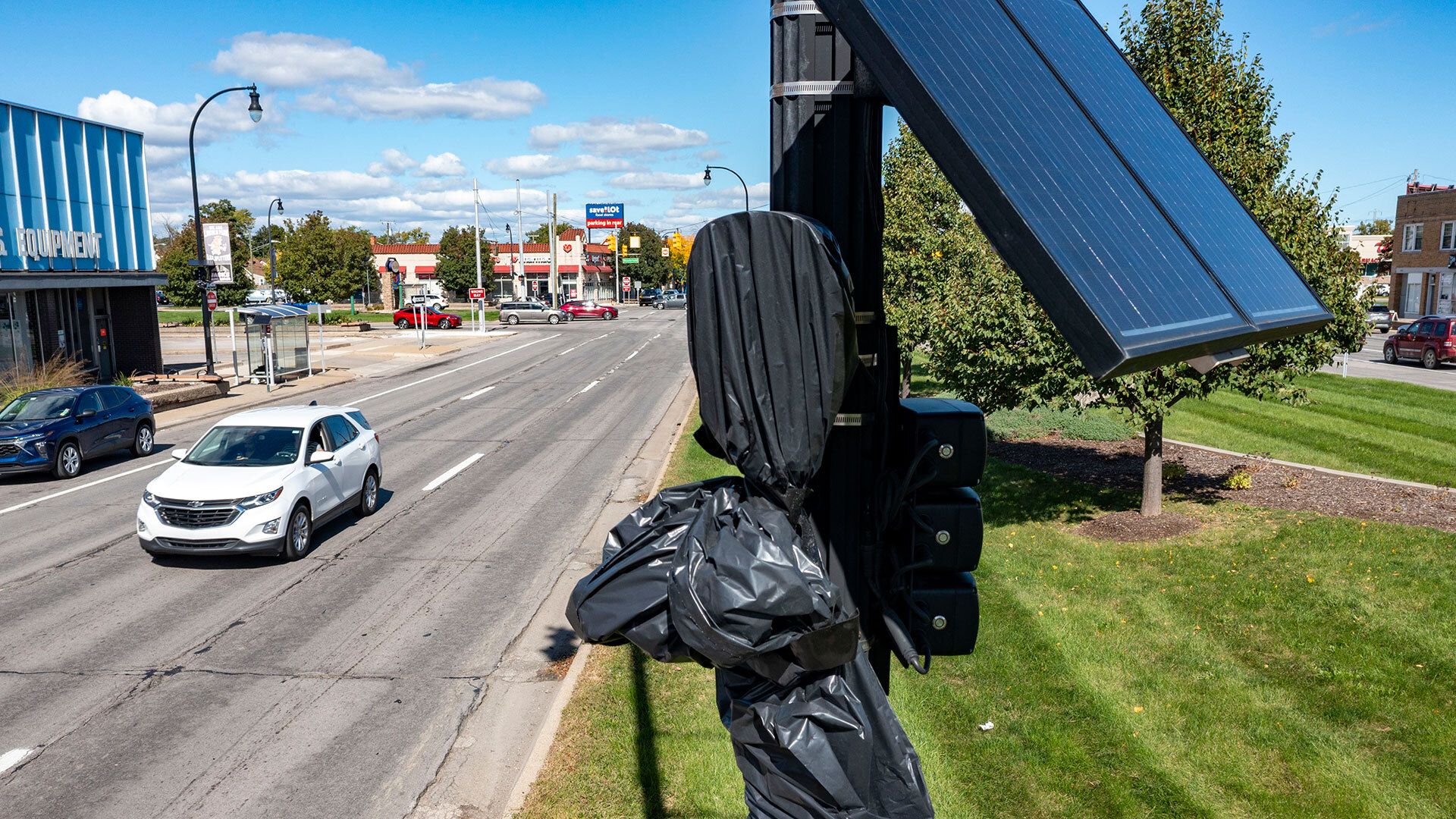
A police chief in the United States says he took the unusual step of physically unplugging his department's Flock Safety cameras after the company allegedly ignored his contract cancellation and continued to charge the department, according to a report by Tom's Hardware. The dispute is not about a technical fault but about a contract: the chief says he ended the agreement, and the cameras kept working and the invoices kept coming.
The story matters beyond one police department. Flock Safety builds license plate reading cameras that are increasingly mounted on poles in American cities and are marketed as an automated way to spot stolen cars and wanted vehicles. When a single chief has to climb a pole himself to stop a service he says he already cancelled, it raises hard questions about how these surveillance contracts are written, renewed and ended.
What the Flock Safety dispute is about
According to Tom's Hardware, the chief's frustration was with the company's handling of his request to end the service rather than with the cameras' accuracy. The department had decided to stop using Flock, and when the company did not act on the cancellation, the chief removed the hardware from service himself.
Flock Safety's systems are designed to capture images of passing vehicles and run the plate numbers against databases, sending alerts when there is a match. Because the cameras log data on vehicles that are not suspected of anything, they have become a frequent target of privacy campaigners, civil liberties groups and local residents who object to blanket plate collection in their neighbourhoods.
- Flock Safety makes license plate recognition cameras used by police departments and neighbourhoods
- The cameras read and log plate numbers, plus a timestamp and location, for every passing vehicle