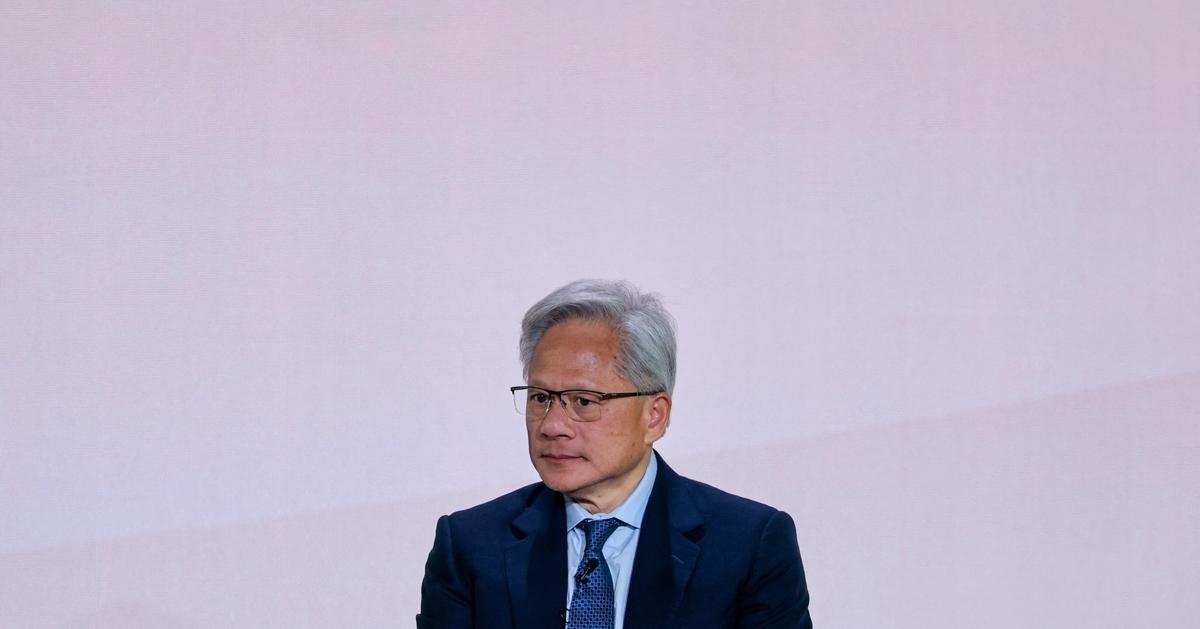
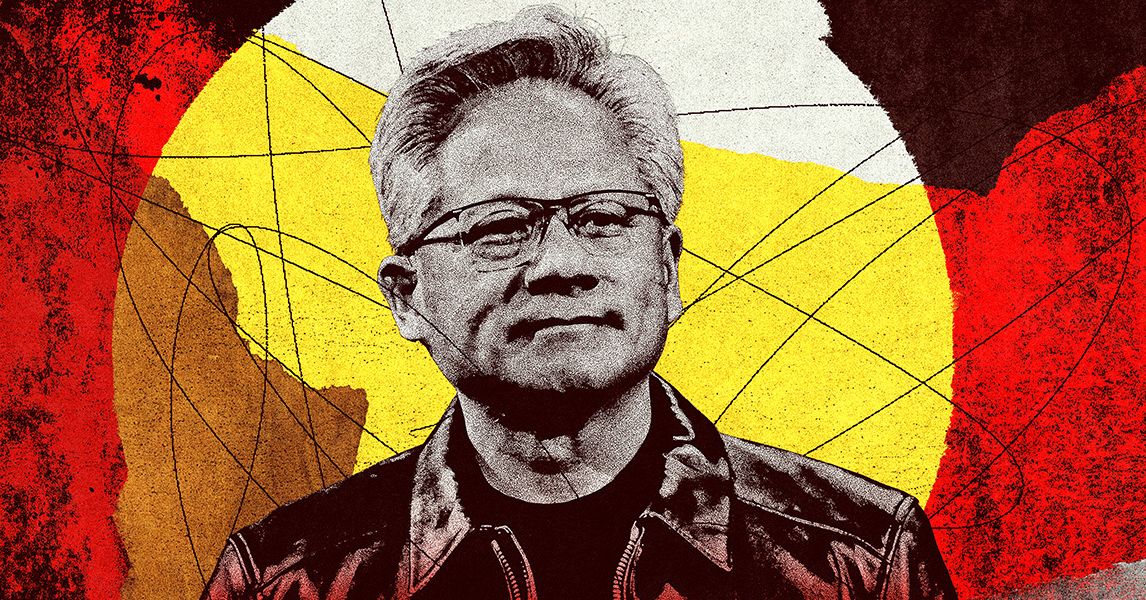
Nvidia's board announced Sunday that it is launching an independent investigation after CEO Jensen Huang told staff he had been unfaithful to his wife, according to TechCrunch. The relationship at the center of the probe is with Alice Huang, an executive at Megaspeed whom U.S. officials believe is a Chinese spy feeding information back to Beijing.
The stakes go far beyond one company. Nvidia sits at the heart of the AI boom, and its chips, investments and financing deals touch a huge web of tech and financial partners. A spokesperson for the Chinese Embassy in Washington dismissed the allegations in late October as "groundless smears and slanders," and no one has been charged.
Sonnenfeld puts Huang's odds at about 50-50
TechCrunch spoke Sunday with Jeffrey Sonnenfeld, senior associate dean for leadership studies at the Yale School of Management and founder of the Chief Executive Leadership Institute. Sonnenfeld said he likes Huang and considers his career salvageable, but estimated the odds he stays on as CEO at "about a 50-50."
He called the episode "remarkably poor judgment." Even if Huang was simply naive, Sonnenfeld argued that "any employee in Nvidia other than him would be fired over this," and that the recklessness alone would mean "an irretrievable loss of confidence."
Why Nvidia's board holds the key
Huang's possible saving grace, Sonnenfeld suggested, is what social psychologists call idiosyncrasy credits — the latitude a person earns through competence and by following group rules. Huang has been building that credit since co-founding Nvidia in 1993, but it can run out when a mistake looks self-serving or touches core norms.
The board says it sees no sign that national security or company secrets were compromised. U.S. intelligence officials reportedly briefed President Donald Trump about their concerns a year ago, and unnamed senior administration officials told the Times they doubt Huang could have stayed unaware of Alice Huang's alleged intelligence-gathering role. The Times reported that when Trump was first briefed, officials did not believe Huang knew, and it is unclear whether that assessment has changed.
No clear successor and no real precedent
Sonnenfeld sees no real precedent for this situation. Executives who survive personal scandals usually restart at another company — former HP CEO Mark Hurd, who resigned in 2010 and joined Oracle about a month later, is one example. Huang has no equivalent move, because Nvidia is his company.