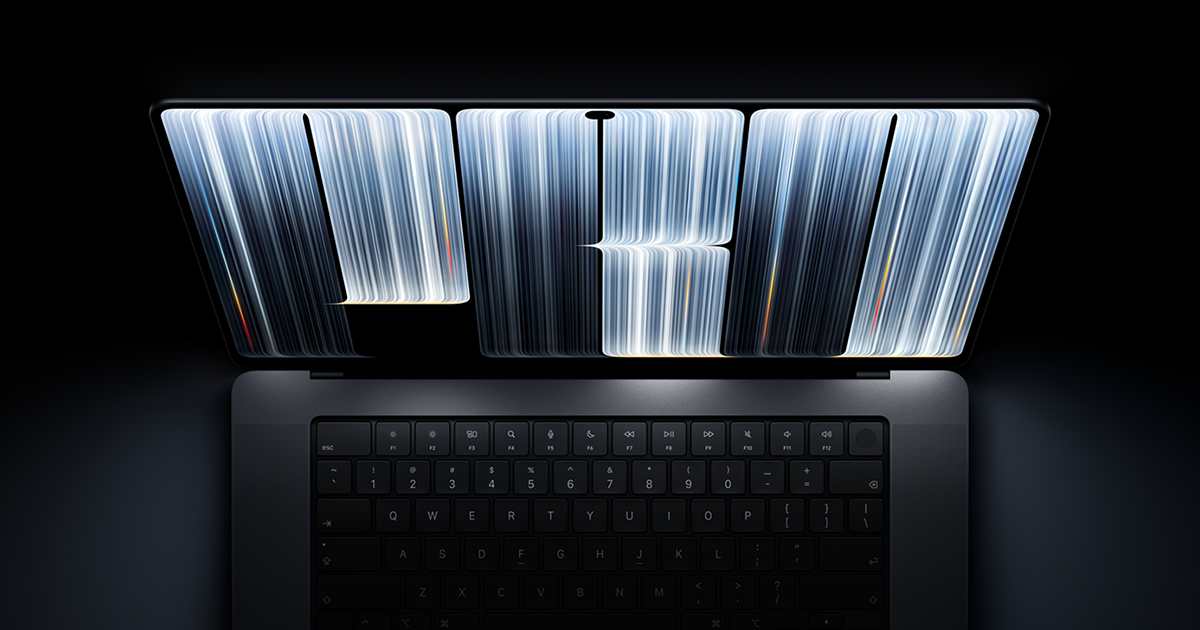
Apple has announced its first major MacBook Pro redesign in more than five years, and for the first time on macOS it brings a touchscreen. The new machine, officially called the MacBook Pro with PROLED XDR Display, was unveiled at Apple's "Pro and Tell" event in Los Angeles and marks Apple's long-debated move to touch input, an idea former CEO Steve Jobs famously opposed.
The 14-inch and 16-inch models keep the same footprint as before but are lighter, with the 14-inch now at 3 pounds and the 16-inch at 4 pounds. Preorders opened at announcement, and the laptops reach customers on November 6. According to Ars Technica, the price is the catch: the M5 Pro 14-inch starts at $2,899 and the 16-inch at $3,399, while M5 Max models start at $4,499 and $4,799.
MacBook Pro with PROLED XDR Display specs
The display is the real headline. Apple's OLED panel, which it markets as PROLED XDR, reaches 2,000 nits of peak HDR brightness, up from 1,600 nits on current Mini LED models, and offers a 10,000,000:1 contrast ratio. Engadget reports it uses tandem OLED technology, stacking multiple organic layers into one panel, a technique first used on the M4 iPad Pro. Apple says the screen covers both the P3 and Adobe RGB color gamuts and 80 percent of the Rec.2020 gamut for HDR video editing.
Apple also says an advanced display engine controls each pixel's color and luminance at the sub-millisecond level and adapts to each pixel's age and usage, addressing OLED burn-in concerns. Details on the exact burn-in protection approach were not shared. The display keeps the 120Hz ProMotion refresh rate and is available with a nano-texture glass option that Apple says is now precisely etched into the cover glass.
On the hardware side, the new MacBook Pro runs the M5 Pro or M5 Max chip, the same silicon as the previous refresh, skipping the M6 series that has already arrived in other Macs. Memory tops out at 128GB, while storage can now reach 16TB. The top-of-screen camera notch has been replaced by the Dynamic Island cutout seen on iPhone, and the Apple logo on the lid glows again, a throwback to older MacBooks.