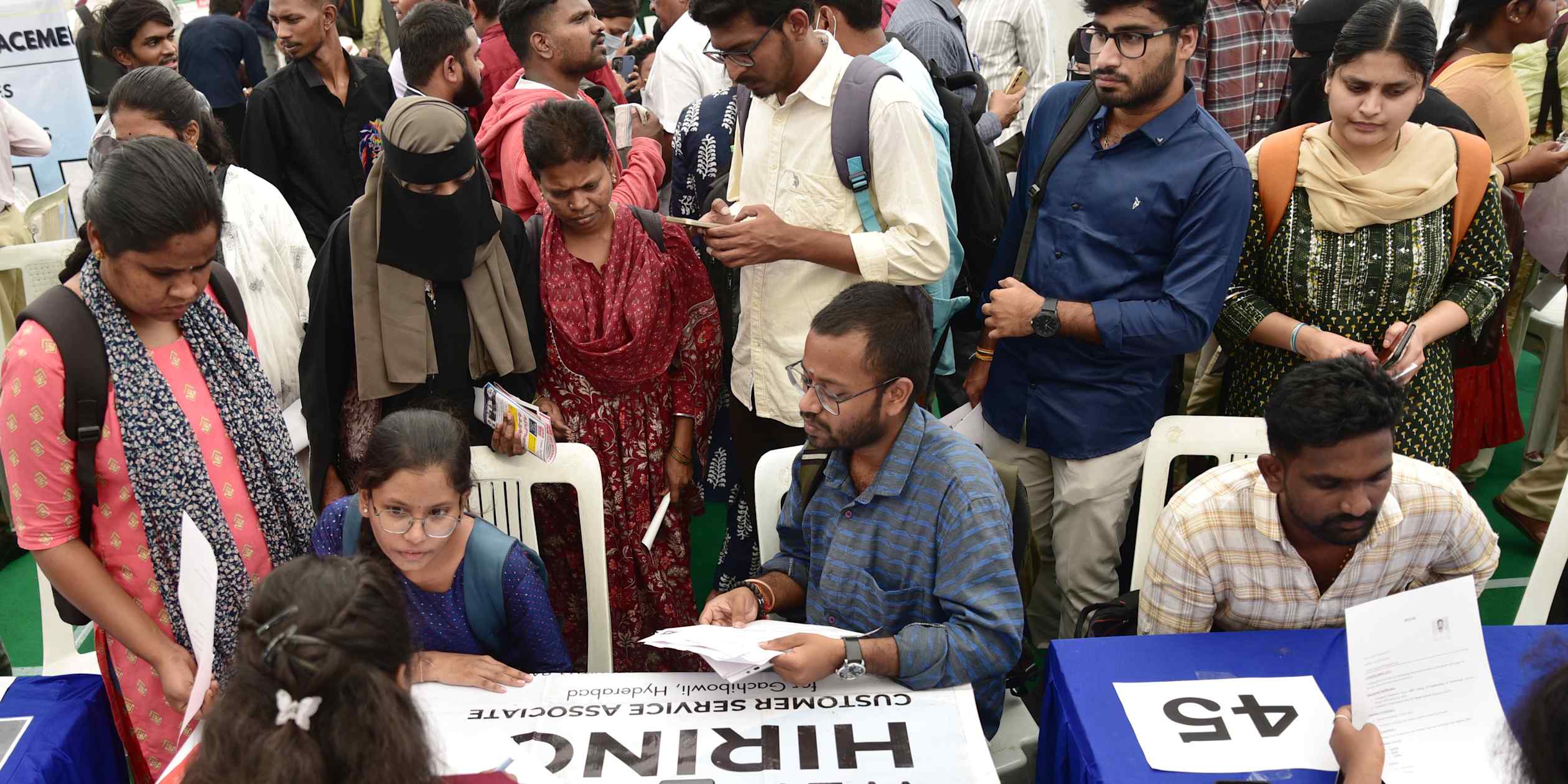
Nasscom president Rajesh Nambiar has warned that recent college graduates in India could struggle to land technology jobs as companies automate entry-level coding and software testing work with artificial intelligence. In an interview with Nikkei Asia, he said the threat to the traditional IT business model means new skills will be required.
Nambiar, who leads India's largest industry body for technology companies, called for a rapid overhaul of the country's tech education. The warning carries weight beyond India, as South Asian and Middle Eastern tech hubs watch how AI reshapes entry-level hiring.
Why AI is hitting entry-level tech jobs
According to Nambiar, AI tools are increasingly capable of handling tasks that were once assigned to fresh graduates, such as basic coding and software testing. This shift threatens the traditional model where IT services companies hired large numbers of engineering graduates and trained them on the job.
As companies adopt AI to boost efficiency, the demand for entry-level roles may shrink, leaving new graduates competing for fewer positions. Nambiar stressed that the industry and academia must act quickly to avoid a skills mismatch.
Nasscom's call for curriculum reform
Nambiar urged an immediate overhaul of computer science curricula to include AI-related skills and practical training. He did not specify a timeline or detailed plan, but his comments signal growing pressure on Indian universities to adapt.
The warning comes as India's IT sector, a major employer of engineering graduates, faces global economic headwinds and rapid technological change. Nasscom represents companies that are central to the country's tech services exports.
What it means for you
For tech students and job seekers in Tunisia and the wider MENA region, the message is clear: AI skills are becoming essential. While the story focuses on India, similar pressures could affect local job markets as AI adoption spreads. No specific policy changes or timelines have been announced for Tunisia.