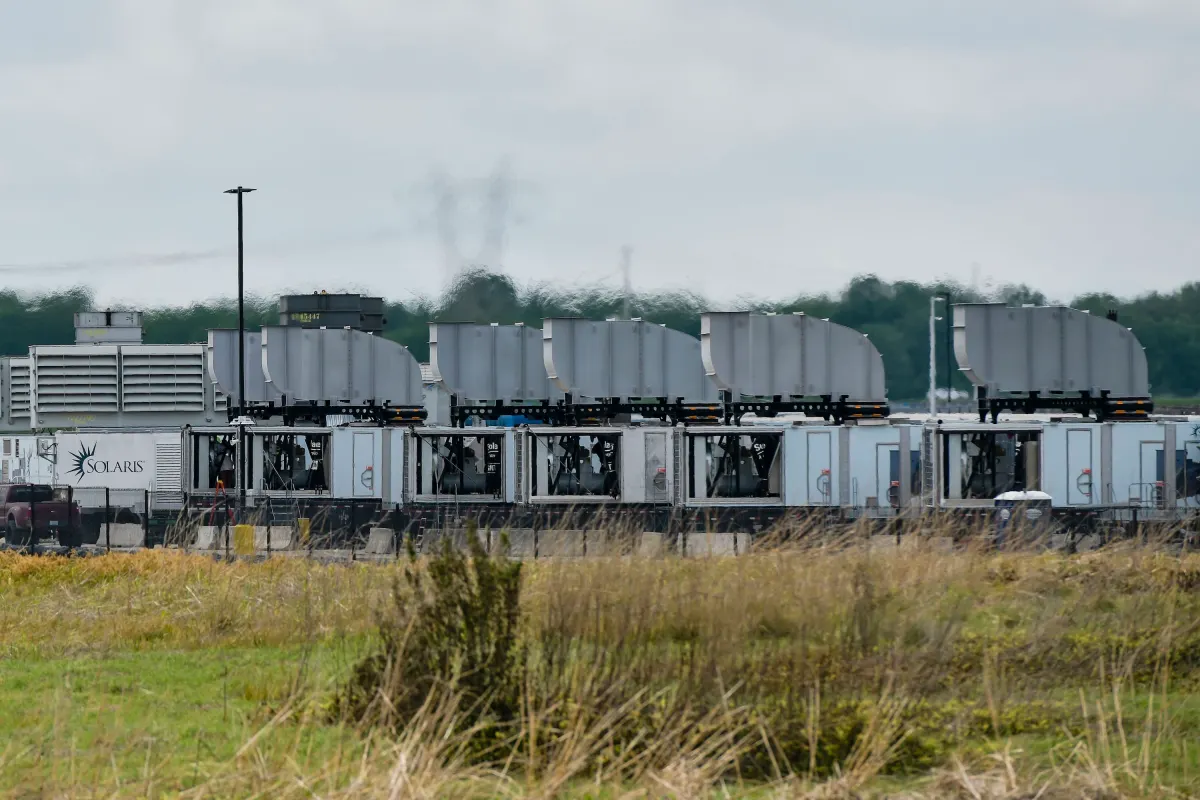
Southeast Asia has quietly become the world's data center construction site. According to a Guardian report flagged by Techmeme, the region accounts for roughly 50% of all data center capacity being built across Asia-Pacific, with Malaysia and Thailand leading the charge. That growth is now colliding with a harder reality: power and water are running short.
In September, Malaysia paused 49 data center projects and Thailand delayed approvals for 117 more, the report says. Just months ago, the region looked like an unstoppable juggernaut of AI-driven growth. Now utilities, grids and local governments are pushing back, and the region's data center boom is entering a more cautious phase.
Malaysia and Thailand hit the brakes
Malaysia and Thailand sit at the center of the Southeast Asian data center story, thanks to cheap land, proximity to Singapore and aggressive incentive packages. But the same governments that courted hyperscalers are now slowing them down. Malaysia's pause of 49 projects and Thailand's delay of 117 approvals in September mark one of the clearest signals yet that the AI infrastructure pipeline is being throttled by local constraints.
The Guardian report points to power and water as the main bottlenecks. Data centers are electricity-hungry, and AI training clusters push demand even higher. Cooling systems also consume large volumes of water, straining supplies in fast-industrialising regions. Utilities that were once eager for the revenue are now warning they cannot connect new facilities fast enough.
Why Southeast Asia matters to the global AI build-out
Southeast Asia's role in the AI supply chain extends well beyond local demand. Singapore, Malaysia and Thailand host capacity that serves global cloud providers, and the region has become a key alternative for companies diversifying away from China. Any slowdown here ripples across the wider AI infrastructure market.
The region's setbacks echo a broader global pattern. Data center projects in the US, Europe and the Middle East are also facing grid delays, water disputes and community opposition. The story is no longer about whether AI needs massive compute — it is about whether power grids and water systems can keep up with it.
What it means for you
For readers in Tunisia, the direct impact is limited: these are Southeast Asian projects, and no Tunisian data center has been announced as part of this wave. But the slowdown matters for anyone following AI. If capacity growth stalls in Asia, cloud and AI service prices could stay higher for longer, and the rollout of new AI features may face delays.