Amazon will no longer use nondisclosure agreements (NDAs) when negotiating with local governments over data centers, following Microsoft's similar move earlier this year. The announcement was tucked inside a longer blog post arguing that data centers benefit the communities that host them.
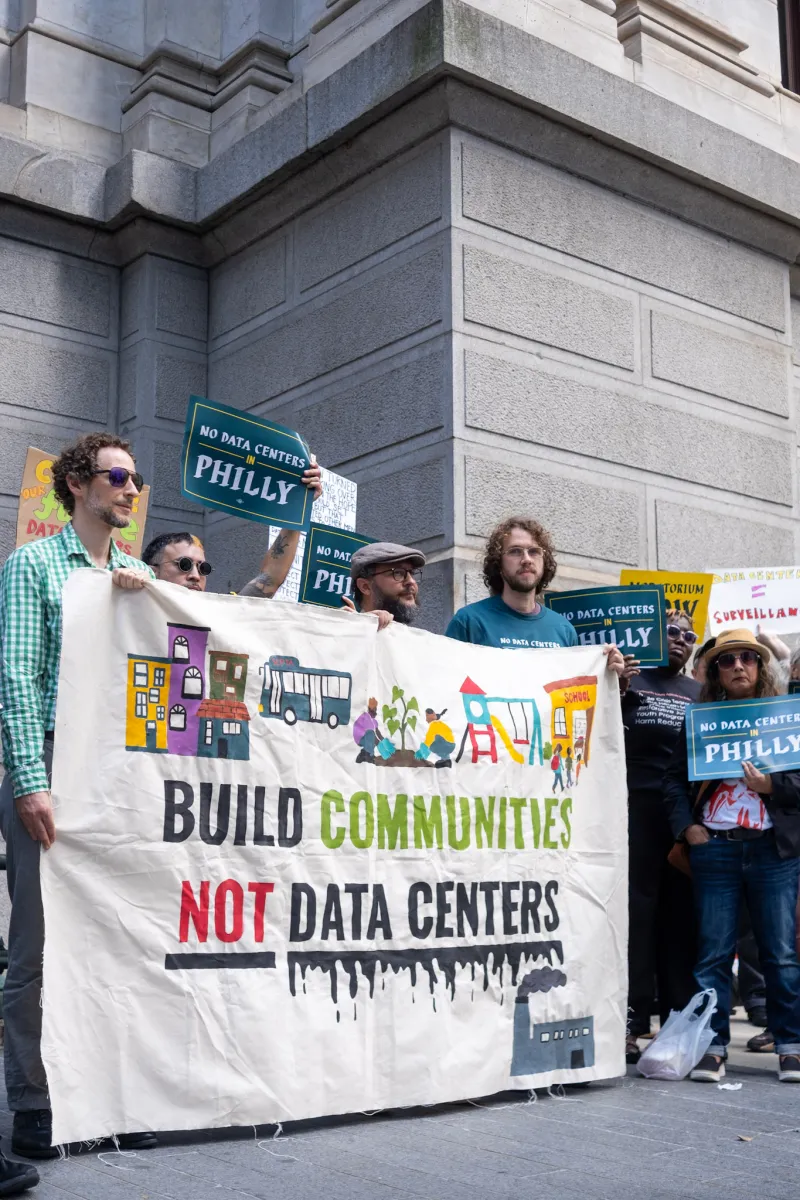
The change was discussed on the latest episode of TechCrunch's Equity podcast, where hosts Sean O'Kane, Rebecca Bellan and Anthony Ha debated whether dropping NDAs can actually repair the industry's strained relationship with local residents. The conversation lands as a growing number of US cities and states pass data center moratoriums, and as a Senate investigation scrutinises how these projects are negotiated.
Why data center secrecy fuels backlash
Sean O'Kane argued that much of the opposition to AI data centers stems from a simple communication failure. In his view, the industry struggles to explain itself, and many projects are negotiated essentially in secret, with residents often unaware of who will occupy a facility even when they know a data center is planned.
He compared the tactic to Uber's rapid expansion in the mid-2010s, when the company negotiated subsidies and other deals with local governments behind closed doors. According to O'Kane, that secrecy let Uber grow comfortable asking for far more than it originally sought.
Do data center moratoriums really work?
Rebecca Bellan was sceptical that the recent wave of moratoriums will have a lasting effect. She noted that most only last a year or two, while data centers typically take two to five years before they come online, and buildouts face delays from zoning to funding.
Anthony Ha pointed to New York's moratorium on permits for large projects, which technically lasts until the state finishes an environmental review expected to take about a year. He said the framing leaves room for officials to later conclude that a project is welcome, but added that data center backers clearly seem worried.