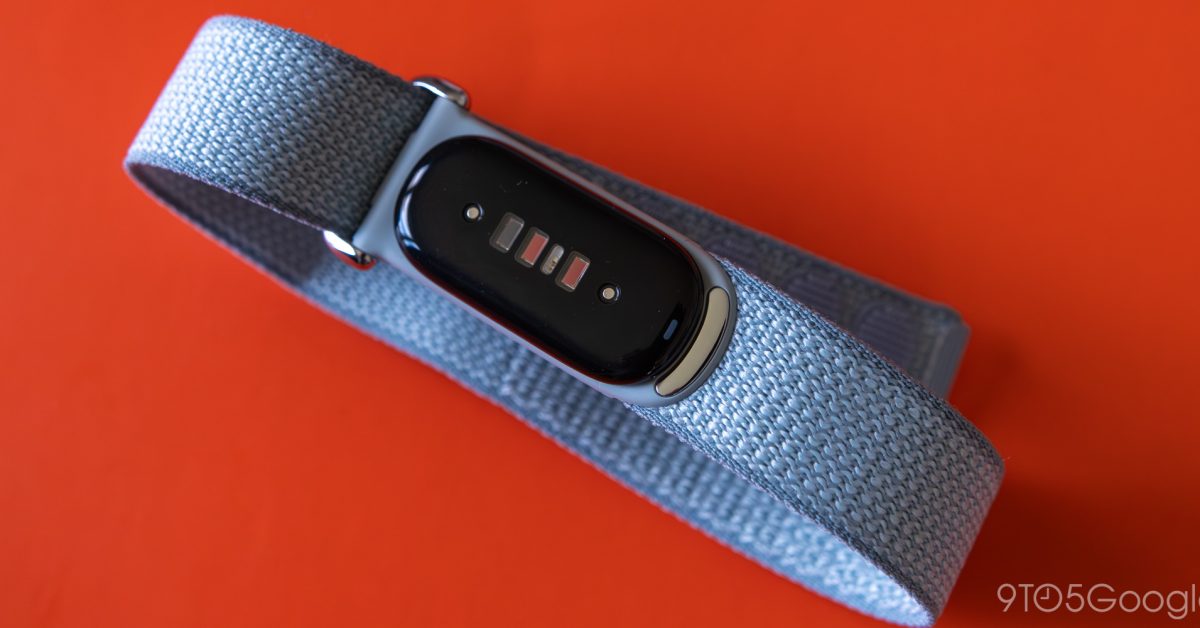
Screenless fitness trackers are having a moment, and the clearest sign is the fight between Google and Whoop. Whoop has been in the category since 2015, and in March it raised $575 million at a $10 billion valuation. Google teased the Fitbit Air on March 31, the same day as Whoop's funding news, and Engadget has now compared the two head to head.
Both bands track activity, sleep and vitals well, and both feed you data through feature-rich companion apps. The real difference is how much you pay and how locked in you want to be: Whoop sells memberships, not devices, while the Fitbit Air is hardware you can use with or without a subscription.
Fitbit Air vs Whoop: price and battery
The Fitbit Air is slimmer than Whoop's bands, and that shape has a cost: Google rates it at up to seven days of battery, while newer Whoop models like the Whoop 5.0 and Whoop MG are rated for 14+ days. Whoop users can also slide a wireless battery pack onto the band to top up on the go, adding bulk but avoiding taking the tracker off.
Pricing splits the two clearly. The Fitbit Air costs $100 in hardware — roughly 290 TND — and includes a three-month Google Health Premium trial, after which you pay $100 per year or $10 per month. Whoop has no device-only option: a membership starts at about $149 for the first year, rises to $199, and reaches $359 annually on the top tier.
Outside the US, Mexico, Canada, the EU and the UK, Whoop One memberships ship with a certified pre-owned 4.0 sensor and Onyx Superknit Band, which is worth knowing if you would rather not wear second-hand hardware.
- Fitbit Air: up to 7 days of battery, $100 hardware plus Google Health Premium at $100 per year or $10 per month after a three-month trial.
- Whoop 5.0 and Whoop MG: rated for 14+ days, with a slide-on wireless battery pack for charging without removing the band.